

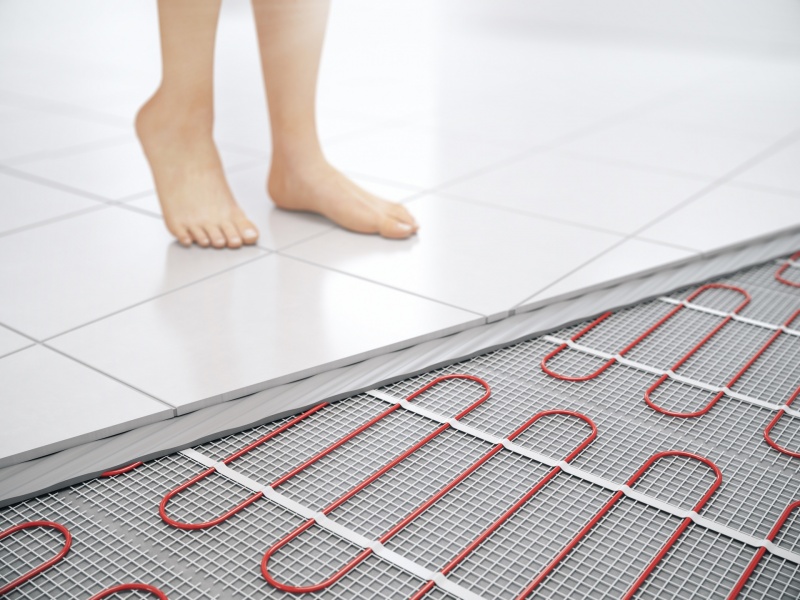
When it comes to heating your home in Southern Vermont, VT, there are several options to consider. Two popular choices are radiant floor heating and heat pumps. Each technology offers unique advantages and considerations, making the decision between the two a matter of understanding your priorities and the specific needs of your space.
Let’s take a look at radiant floor heating vs heat pumps, comparing their features, benefits, and potential drawbacks to help you make an informed choice that aligns with your heating preferences.
How Radiant Floor Heating Works in Your Home
This type of heating is a luxurious option that provides even, gentle warmth by heating the floor itself. The way that the technology works is by relying on either electric cables or water-filled pipes installed beneath the flooring to spread heat, and homeowners comparing systems may also benefit from HVAC heat pump heating efficiency tips to improve overall home comfort. As the heated surface warms the room from the ground up, it gradually warms the entire room.
Key Benefits of Radiant Floor Heating
- This type of heating creates a uniform and consistent heat distribution. This helps eliminate hot and cold spots in your living spaces.
- These systems can be more energy efficient than traditional, forced-air systems. They operate at lower temperatures and avoid the heat loss associated with ducts.
- Since radiant heating doesn’t rely on blowing air, it reduces the circulation of allergens and dust.
Drawbacks of Radiant Floor Heating to Consider
- Retrofitting radiant systems can be complex and costly. This is especially true in existing homes.
- The systems might have a slower response time compared to forced-air systems.
How Heat Pumps Work for Heating and Cooling
Heat pumps are an energy-efficient heating solution that can also provide cooling during warmer months. They work by transferring heat from the outside air and delivering it inside your home. Heat pumps are popular for their ability to provide heating and cooling in a single system, and many homeowners are also exploring whether heat pump HVAC systems as primary heat can effectively handle their home’s heating needs.
Key Benefits of Heat Pumps
- They offer both heating and cooling capabilities which makes them versatile solutions for all seasons.
- They can be highly efficient as they move heat instead of generating it from scratch.
- Due to their energy-efficient operation, these systems can lead to lower monthly heating bills compared to traditional heating methods.
Drawbacks of Heat Pumps to Consider
- They might struggle to provide sufficient heating in extremely cold climates leading to the need for supplemental heating.
- While these systems can result in long-term savings, their initial installation cost can be a bit higher than traditional systems.
Radiant Floor Heating vs. Heat Pump: How to Choose the Right System
The decision between radiant floor heating and heat pumps depends on your priorities and circumstances. If you value luxurious comfort and even heating, radiant floor heating might be what you’re looking for. This may be especially true if you’re building or renovating. On the other hand, if versatility, energy efficiency, and year-round heating and cooling are top priorities, then heat pumps could be the better choice.
Before making a decision you can consult with HVAC professionals who can assess your home’s specific needs and provide tailored recommendations. If you’re considering ductless options, it may also help to explore heat pump installation projects for homes to better understand how these systems can be integrated into your home. Regardless of your choice, both technologies have the potential to enhance your comfort and contribute to a more energy efficient and sustainable home environment.
Radiant Heating and Heat Pump FAQs
Question: Can radiant floor heating and heat pumps be used together in the same home?
Answer: Yes, radiant floor heating and heat pumps can work together in a hybrid system. A heat pump can supply warm water to a hydronic radiant floor system, improving energy efficiency while maintaining comfortable, even heat. This setup can be particularly useful in homes looking to combine efficiency with consistent floor-level warmth.
Question: Which system is easier to add to an existing home, radiant floor heating or a heat pump?
Answer: Heat pumps are usually easier to install in existing homes because they often require less structural modification. Radiant floor heating typically involves installing tubing or electric elements beneath flooring, which can require significant renovation if the home wasn’t originally designed for it.
Question: Do radiant floor heating systems improve indoor air quality compared to heat pumps?
Answer: Radiant floor heating can help improve indoor air quality because it does not rely on blowing air through ducts. Without forced air circulation, there is less movement of dust, allergens, and other airborne particles throughout the home, which may benefit people with allergies or respiratory sensitivities.
Question: How long do radiant floor heating systems and heat pumps typically last?
Answer: Radiant floor heating systems often last 20 to 35 years because many components are protected beneath the floor and require minimal mechanical movement. Heat pumps generally have a lifespan of about 15 to 20 years, though proper maintenance can help extend their performance and reliability.
Question: Are heat pumps effective in very cold climates?
Answer: Modern cold-climate heat pumps are designed to operate efficiently even in low outdoor temperatures. However, their performance may decrease during extreme cold, which sometimes requires a supplemental heating system. Advances in technology continue to improve their ability to function in colder regions.
Contact HB Energy Solutions for all your energy needs! HB Energy Solutions delivers peace of mind.
Join Us Online