

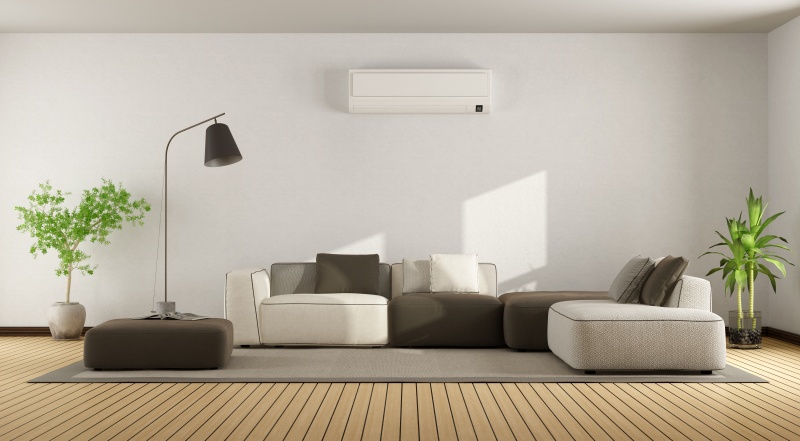
When it comes to heating and cooling options for homes in Southern Vermont, VT, mini-split systems have gained popularity for their energy efficiency, flexibility, and zone control capabilities. Homeowners exploring system options often research choosing the right ductless heat pump installation to better understand which solution fits their home’s needs.
However, one question that homeowners often ask is whether mini-splits can handle being the primary heat source for their entire home. Let’s take a look at the capabilities of mini-splits as a primary heat source.
Understanding Mini-Split Systems
Before delving into whether mini-splits can serve as a primary heat source, let’s briefly go over what they are. Mini-split systems, also known as ductless heat pumps, consist of an outdoor condenser unit and one or more indoor air-handling units. These indoor units are installed in different zones or rooms of the home and are connected to the outdoor unit through refrigerant lines.
Mini-splits provide both heating and cooling by extracting heat from the outdoor air during winter and transferring it indoors. During the summer, the process is reversed, and the mini-split acts as an air conditioner, removing heat from indoor air and expelling it outside.
Advantages of Mini-Splits as Primary Heat Source
- Highly energy-efficient because they don’t rely on burning fossil fuels to generate heat. Instead, they use electricity to transfer heat, resulting in lower energy consumption and reduced utility bills, which is one reason many homeowners consider the benefits of ductless heating and heat pump installation.
- They have zone control, allowing homeowners to heat or cool specific areas independently. This feature enhances energy efficiency by avoiding the wasteful heating or cooling of unoccupied rooms.
- The absence of ductwork eliminates energy losses associated with duct systems, making mini-splits more efficient than traditional forced-air heating systems.
- They can provide both heating and cooling, ensuring year-round comfort without the need for separate systems.
Some Factors to Consider
While mini-splits have many advantages, several factors need consideration before relying on them as the primary heat source for the entire home. Here are a few.
- These systems are made for moderate climates. In extremely cold climates, their performance may suffer as the outdoor temperatures drop. In such cases, supplementary heating sources might be recommended.
- An oversized system can lead to frequent on-off cycles, reducing efficiency and comfort, while an undersized system may struggle to meet heating demands during colder periods.
- The energy efficiency of your home plays an important role in the performance of the system. A well-insulated and energy-efficient home will ensure that the mini-split operates well and maintains comfort.
- You might want to consider having a backup heating source, such as a furnace or fireplace, especially in colder climates or during extreme weather events when additional heating capacity might be required.
To answer the original question simply: yes, mini-split systems can serve as an effective primary heat source for many homes, offering energy efficiency, zone control, and year-round comfort. Their ability to provide heating and cooling in a single system makes them an attractive option for homeowners seeking versatility and energy savings, though some may also evaluate signs you need ductless heat pump installation depending on the age and condition of their current system. However, factors such as climate, proper sizing, home efficiency, and the availability of backup heating should be carefully evaluated before making a decision.
Frequently Asked Questions
Question: How many indoor units are usually needed for a whole-home mini-split system?
Answer: The number of indoor units depends on the home’s size, layout, and insulation levels. Many homes use a multi-zone system with several indoor units placed in key living areas or rooms. Strategic placement allows heat to circulate more effectively and helps maintain comfortable temperatures throughout the entire home.
Question: Can a mini-split system help reduce heating costs compared to traditional systems?
Answer: Mini-split systems can lower heating costs because they transfer heat instead of generating it through combustion or electric resistance. This process uses less energy and can deliver several units of heat for each unit of electricity consumed, which often results in improved efficiency and lower monthly utility bills.
Question: What types of homes benefit most from using a mini-split as the main heat source?
Answer: Homes without existing ductwork, well-insulated properties, and smaller or open-layout homes often benefit the most from mini-split heating. These systems also work well for home additions, older houses, or spaces where installing traditional ducted systems would be difficult or expensive.
Question: How much maintenance does a mini-split system typically require?
Answer: Mini-split systems require relatively simple maintenance compared to many traditional HVAC systems. Homeowners typically need to clean or rinse the filters regularly and keep outdoor units clear of debris. Annual professional servicing is also recommended to maintain performance, efficiency, and long-term reliability.
Question: How long do mini-split heating systems usually last?
Answer: With proper maintenance, most mini-split systems last around 15 to 20 years. Routine servicing, regular filter cleaning, and prompt repairs can help extend the lifespan of the equipment and keep it operating efficiently throughout its life.
Contact HB Energy Solutions for all your energy needs. HB Energy Solutions delivers peace of mind!
Join Us Online