

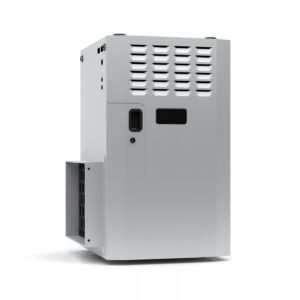
 Heating our homes is serious business here in the northeast. Our winters are cold. Dangerously cold, if you don’t have a reliable heating system in place. A reliable heating system isn’t really enough if you ask us, though. You need the ideal heating system for your particular needs. That doesn’t mean you need the perfect heating system. There is no perfect, one-size-fits-all option out there.
But the furnace certainly comes pretty close.
There are many reasons for the popularity of furnaces in New Hampshire. That’s what we’re going to get into today. Before we do, one quick reminder. You absolutely must schedule your furnace services with skilled, trained professionals. You want to heat your home reliably, effectively, and safely, and doing so means that you need to work with pros you can trust. The fact that you are reading this means you’ve already accomplished that first step!
They’re Affordable
Any heating system is going to be a substantial investment for most homeowners. However, the furnace is a relatively affordable option if you’re investing in a new heater. By weighing your options carefully and making decisions about features, efficiency ratings, etc., you can almost certainly find the right furnace for your budget.
While other systems, such as boilers, offer their own benefits, they can come at a higher cost initially. A boiler can eliminate potential issues that furnaces encounter, like duct leaks causing inefficiency. But they are also more complex installations, and that is reflected in the initial price your paying for your system and having it installed.
They Share Ductwork
Do you have air ducts in your home already, because you use a central air conditioning system? Then a furnace is a good option to consider, if you’re not already using one. Why? Because heating systems and an air conditioner don’t need their own unique ductwork, and that shared ductwork should be in good condition for proper airflow across the hvac system, with air filters replaced every 1-3 months to prevent airflow issues. They can share it. Dirty air filters can restrict airflow and contribute to breakdowns. Noticeable hot or cold spots in rooms mean the system struggles to distribute air evenly, and minimal or no air from registers often points to a clogged filter before it points to ductwork problems or a failing thermostat.
If your home doesn’t have ductwork, the installation in an existing property can be a sizable project. However, homes with existing ductwork can have other forced air systems installed/replaced pretty straightforwardly. Of course, you’ll want a professional to inspect older ductwork to determine whether leaks, blockages, or wear are hurting airflow and overall efficiency.
They Work Fast!
Many homeowners swear by boilers, and they can’t be swayed. We understand the sentiment, but we also know that every system has its pros and cons. Boilers are very reliable, they last a long time, and radiant heating does produce exceptional comfort. However, it is not as quick a heating process as forced air heating. Because forced-air equipment often works year-round with the air conditioning side of the system, routine maintenance is essential for optimal performance, including keeping air conditioning units clean, clearing debris from around the outdoor condenser, checking the fan area, and cleaning condenser coils to extend the life of the AC unit so the cooling system stays efficient.
When you use a furnace to heat your home, you’re really just heating air and then blowing that heated air throughout the house until desired temps are met, while the shared ac unit and cooling components still need regular maintenance to optimize performance, keep the full system running efficiently, and save money by reducing the risk of costly repairs. Proper upkeep also helps protect the compressor and outdoor equipment, and replacing worn components at the right time can help avoid larger failures. Dirty coils or filters can also lead to unusually high energy bills. A sudden, unexplained spike in utility costs usually means the system is working harder than it should. With a boiler, you’re heating water, circulating water, transferring heat from that water to the floors, to other objects, etc. Comfortable? Very! Fast? Not so much.
Annual check-ups let a technician inspect the system, support air conditioning repair by catching minor issues early, and lower the chance of unexpected breakdowns and expensive repairs before summer puts extra strain on it, and you can expect the visit to include safely checking key outdoor components and access panels. Short cycling may point to low refrigerant, a frozen coil, or an oversized unit. Unusual noises can signal loose or damaged components, and unusual noises or smells may mean you need emergency service, while musty smells often suggest mold growth or trapped moisture. Weak airflow often signals a dirty filter or blower issue. 24/7 AC repairs are available for emergencies. If the AC will not turn on, one of the first things to check is the circuit breaker in the electrical panel, since a tripped breaker is a common cause of AC failure. Basic diagnostic tools include a multimeter and insulated screwdrivers, but electrical repairs and any work to install replacement parts should be left to a professional. AC contactors are one common item among replacement parts and typically cost around $25 to replace. Capacitors should be replaced about every five years for optimal performance and to help protect critical components.
If you have any questions about your home heating options, don’t hesitate to reach out!
Contact HB Energy Solutions for all your energy needs. HB Energy Solutions delivers peace of mind.
Join Us Online